

Cinematic Wedding Films: A Storytelling Experience

Updated: Sep 22
Weddings are more than just a celebration; they are a tapestry of emotions, moments, and stories waiting to be told. In recent years, cinematic wedding films have emerged as a popular way to capture these narratives, transforming traditional wedding videos into artistic masterpieces. This blog post explores the essence of cinematic wedding films, the storytelling techniques they employ, and how they can elevate your wedding experience.
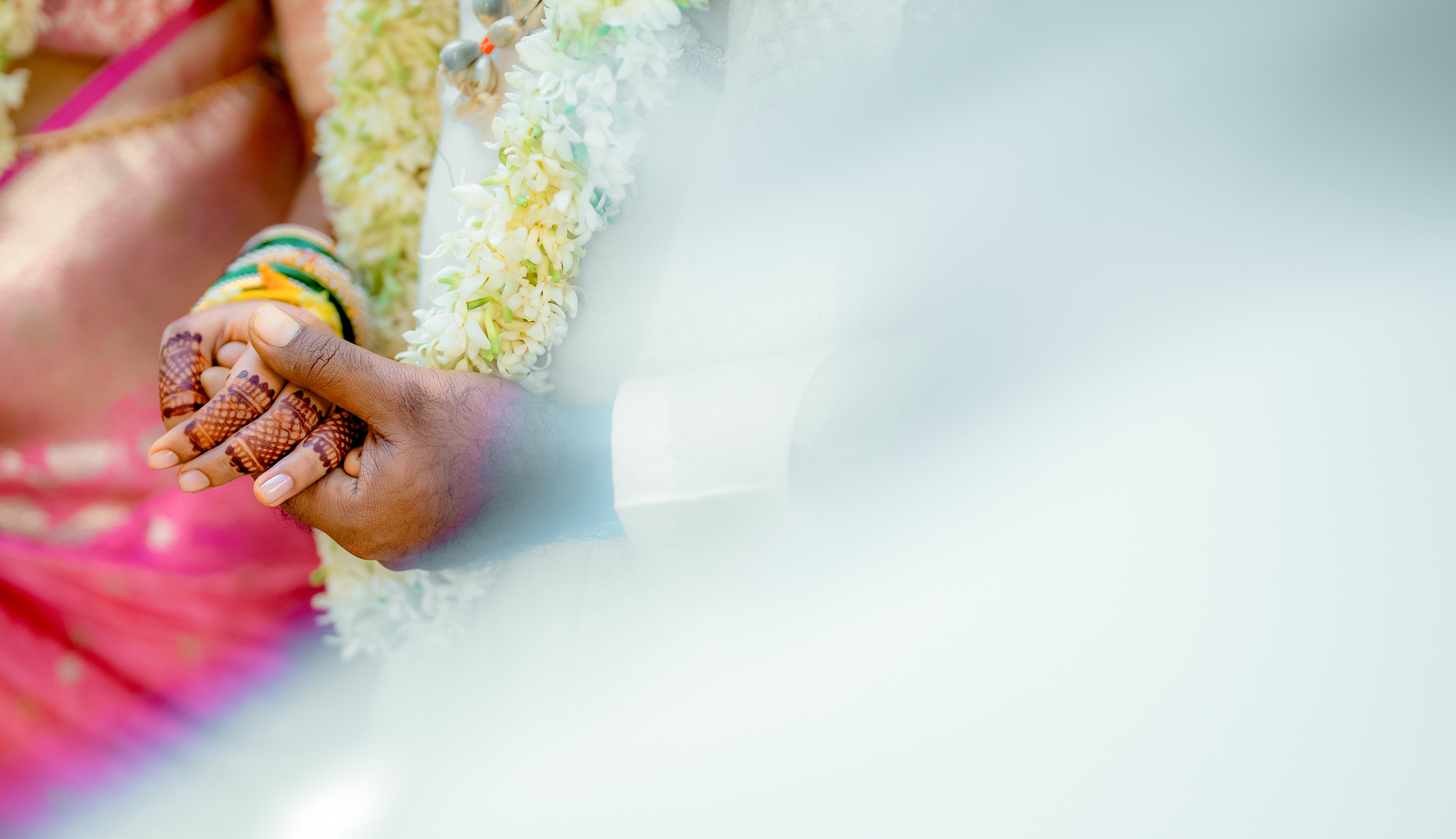
The Rise of Cinematic Wedding Films
What Are Cinematic Wedding Films?
Cinematic wedding films are not your average wedding videos. They are crafted with a focus on storytelling, using techniques borrowed from the film industry. These films often feature:
High-quality cinematography: Utilizing professional cameras and equipment to achieve a polished look.
Creative editing: Employing cinematic techniques such as slow motion, color grading, and artistic transitions.
Narrative structure: Telling a story that captures the essence of the day, rather than just documenting events.
Why Choose a Cinematic Approach?
Couples today are looking for more than just documentation; they want to relive their wedding day as a beautiful story. Here are some reasons why cinematic wedding films are gaining popularity:
Emotional connection: A well-crafted film evokes emotions, allowing couples to relive their special day.
Artistic expression: Cinematic films showcase the couple's personality and style through creative visuals and storytelling.
Timeless keepsake: Unlike traditional videos, cinematic films can be enjoyed for years to come, making them a cherished keepsake.
The Elements of a Great Cinematic Wedding Film
Storytelling Techniques
At the heart of every cinematic wedding film is a compelling story. Here are some storytelling techniques that filmmakers often use:
Character Development: The couple is portrayed as the main characters, with their unique personalities and love story highlighted throughout the film.
Conflict and Resolution: Every good story has a conflict. In the context of a wedding, this could be the challenges faced during planning or the emotional journey leading up to the big day.
Visual Metaphors: Filmmakers often use visual metaphors to symbolize the couple's journey. For example, a shot of a blooming flower can represent growth and new beginnings.
Cinematic Techniques
To enhance the storytelling experience, filmmakers employ various cinematic techniques:
Camera Angles and Movement: Different angles (like aerial shots or close-ups) and movements (such as tracking shots) can create a dynamic viewing experience.
Lighting: Proper lighting can set the mood and tone of the film. Golden hour shots, for instance, can add a romantic feel.
Sound Design: The right music and sound effects can elevate the emotional impact of the film, making moments more poignant.
Planning for Your Cinematic Wedding Film
Choosing the Right Filmmaker
Selecting a filmmaker who specializes in cinematic wedding films is crucial. Here are some tips for finding the right fit:
Review Portfolios: Look for filmmakers whose style resonates with you. Pay attention to their storytelling techniques and visual aesthetics.
Check Reviews: Read testimonials from previous clients to gauge their experiences.
Schedule a Consultation: Meeting with potential filmmakers allows you to discuss your vision and ensure they understand your story.
Preparing for the Shoot
To ensure your cinematic wedding film turns out beautifully, consider these preparation tips:
Share Your Story: Provide your filmmaker with details about your relationship, how you met, and what makes your love unique.
Plan Key Moments: Discuss important moments you want to capture, such as the first look, vows, and speeches.
Consider Locations: Think about meaningful locations that could enhance your film, such as where you had your first date or a favorite park.
The Day of the Wedding
Capturing the Moments
On your wedding day, the filmmaker will work discreetly to capture candid moments and orchestrate key scenes. Here’s what to expect:
Pre-Ceremony Footage: Filmmakers often start by capturing the preparations, including getting ready, details of the attire, and emotional moments with family and friends.
Ceremony Highlights: The ceremony is a pivotal part of the film. Expect to see beautifully framed shots of the vows, rings, and first kiss.
Reception and Celebrations: The reception is filled with joy and laughter. Filmmakers will capture speeches, dances, and candid moments that showcase the celebration.
The Importance of Communication
Clear communication with your filmmaker on the wedding day is essential. Here are some tips:
Designate a Point Person: Choose someone to coordinate with the filmmaker, ensuring they know the timeline and key moments.
Stay Relaxed: Trust your filmmaker to capture the day naturally. Enjoy the moment, and let them do their job.
Post-Wedding: The Editing Process
What to Expect
After the wedding, the editing process begins. This is where the magic happens. Here’s what you can expect:
Timeline: Editing can take several weeks to months, depending on the filmmaker's workload and your package.
Sneak Peeks: Many filmmakers provide sneak peeks or highlight reels shortly after the wedding, allowing you to relive the day quickly.
Final Film Delivery: The final cinematic film will be delivered in a format that you can easily share with family and friends.
Personal Touches
Discuss with your filmmaker any personal touches you want to include in the film, such as:
Voiceovers: Incorporating voiceovers from the couple or family members can add depth to the narrative.
Custom Music: Some filmmakers offer the option to use custom music that resonates with the couple's journey.
The Impact of Cinematic Wedding Films
A Lasting Legacy
Cinematic wedding films are more than just videos; they are a legacy. They allow couples to relive their special day and share their love story with future generations. Here are some ways they impact couples and families:
Emotional Connection: Watching the film can evoke memories and emotions, strengthening the bond between the couple.
Family Heirloom: As time passes, these films become cherished family heirlooms, passed down to children and grandchildren.
Celebration of Love: Cinematic films celebrate love in all its forms, showcasing the beauty of relationships.
Sharing Your Story
In today’s digital age, sharing your cinematic wedding film has never been easier. Consider these options:
Private Screenings: Host a viewing party with family and friends to relive the day together.
Social Media: Share snippets or highlights on social media platforms to celebrate your love story with a wider audience.
Personal Website: Create a personal website or blog to showcase your wedding film along with photos and stories from the day.
Conclusion
Cinematic wedding films offer a unique and artistic way to capture the essence of your wedding day. By focusing on storytelling and employing cinematic techniques, these films create a lasting legacy that couples can cherish for years to come. As you plan your wedding, consider the impact a cinematic film can have on your experience and how it can beautifully narrate your love story.
Embrace the opportunity to tell your story through the lens of a filmmaker, and let your wedding day unfold as a cinematic masterpiece. Whether you are planning an intimate gathering or a grand celebration, a cinematic wedding film can elevate your experience and create memories that last a lifetime.
Comments